About the Documenters Network

Your neighbors are changing how your city works.

With a network of local partners, City Bureau's Documenters program equips and pays community members to attend local government meetings, distill what matters, and bring actionable information back to their neighbors.

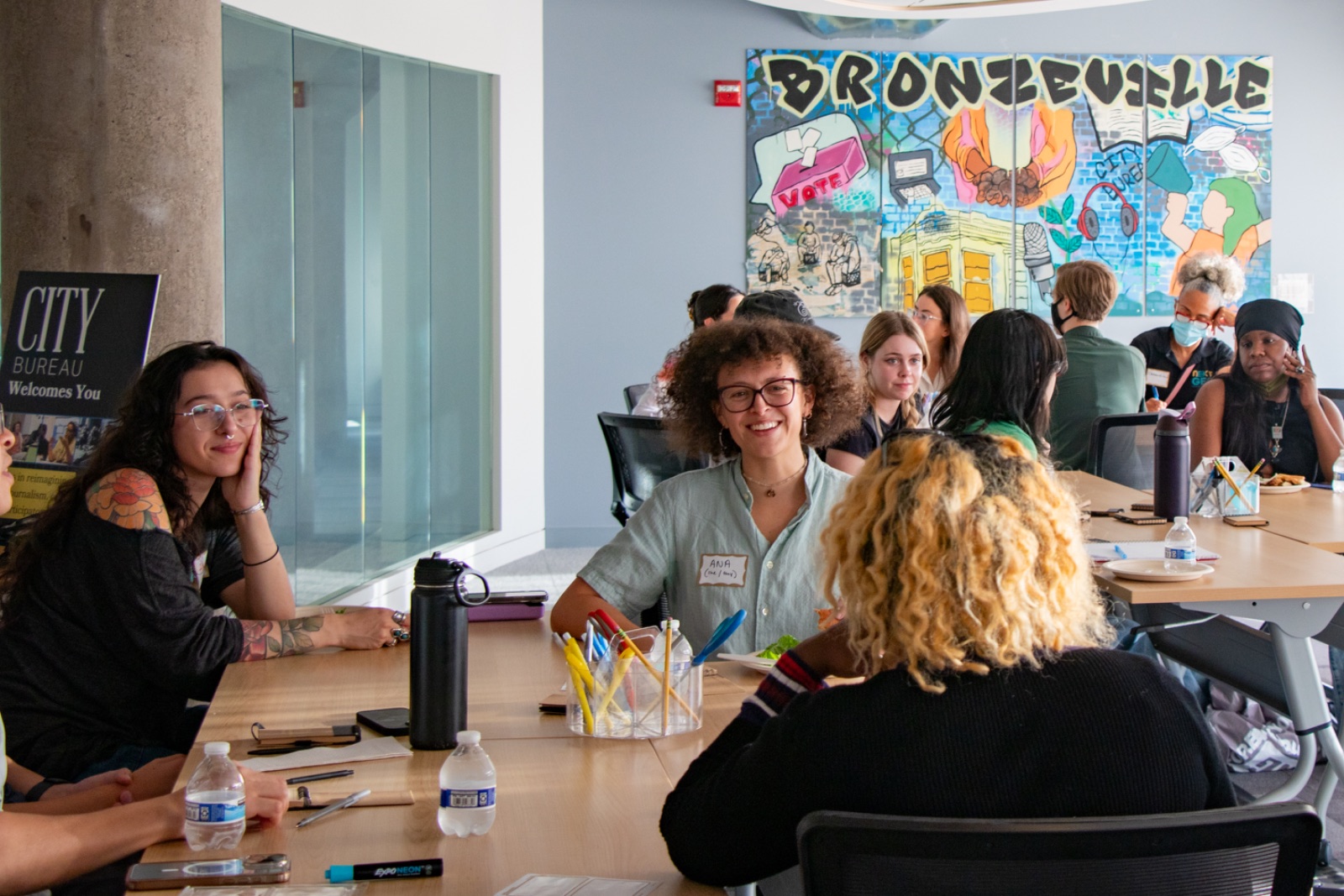
New Chicago Documenters attend an orientation at City Bureau's office.
New Chicago Documenters attend an orientation at City Bureau's office. Photo credit: Grace Del Vecchio.

I document because there is so much going on in each of the city's 50 wards every day. Through Documenters I get to be part of a network that helps compile news to keep our communities informed and better able to make decisions.

— Citlali Perez, Chicago Documenter

What is the Documenters program?

Every week, decisions about our neighborhoods—housing, schools, public safety, transit—get made in public meetings that most people never hear about. Documenters change that.

The Full Picture

When residents show up to public meetings, document and distill what happens, and bring that information back to their neighbors, something shifts. Communities are better informed. Officials are more accountable. And the people doing that work come away with real, durable civic skills—understanding how local government works, who holds power, and how to share what they know in ways their neighbors can actually use. Many Documenters have gone on to run for office, launch their own news projects and civic initiatives, and become community leaders.

Their work is fact-checked and published on Documenters.org, creating a free and searchable public record anyone can access and build on.

City Bureau, a nonprofit civic media organization, launched Documenters in Chicago in 2018 and is the national steward of the program model and the Documenters Network—now active in more than 20 communities across the country and growing.

Our impact

Documenters creates impact at every scale: in the lives of individual participants who gain skills, connections, and civic confidence; in communities where neighbors are better informed and more equipped to act; and nationally, where a growing infrastructure of people-powered civic information is taking root across 20+ communities.

By the numbers

We've trained over 6,000 Documenters
Who have covered more than 14,000 public meetings
Across 25 communities
Totaling more than $1,500,000 paid out to people like you

Stories from the network

Chicago · Amethyst Davis

From Documenter to local news founder

Amethyst Davis became a Documenter to reconnect with Chicago after years away. Covering committees on zoning, landmarks, and building standards changed the direction of her career. She went on to found the Harvey World Herald, a hyperlocal newsroom for a community that previously had no local news source.

For me, that was a very critical energy to be around — because if there are problems, my immediate thought is: what are we going to do about it? So I came home and built a newsroom, because we clearly needed one. Amethyst Davis · Chicago Documenter & founder, Harvey World Herald
Kansas City

A Kansas City grandmother and the lead in her garden

A Kansas City Documenter attended a local meeting and published notes about soil contamination in a nearby neighborhood. A local grandmother who read those notes realized the discussion was about her street. She got her soil tested and discovered dangerous lead levels in her garden. The Beacon turned the story into a full investigation, then hosted a community gathering connecting affected residents to resources.

Detroit · Rukiya Colvin

One assignment, two years of accountability

On one of her first Documenters assignments, Rukiya Colvin attended a Detroit Housing Commission meeting. What she documented kick-started a two-year, multi-part investigation into the commission with Outlier Media — examining affordable housing conditions with life-or-death consequences for Detroit residents.

San Diego

San Diego Documenters ensure community access

On their very first assignment in 2024, Documenters uncovered open meetings act violations by the Policy and Funding Committee when a meeting was canceled without a public notice. Ensuring community members have avenues to witness government proceedings is a powerful tool to hold elected officials accountable, and Documenters are in these rooms where decisions are being made to shed light on them and inform their neighbors.

How Documenters works

Documenters programs are operated locally through a national network of partner organizations—newsrooms, civic nonprofits, educational, and community media organizations.

Inside the Model

Local staff know their communities best. They determine which meetings to cover, manage editorial workflows, and build the relationships and programming that make Documenters valuable beyond the assignment. What local sites develop and learn gets shared across the network—and what the network learns sharpens what sites do at home.

City Bureau is the national steward of the program, develops and maintains Documenters.org—the civic technology platform powering every local program—and supports sites through training, shared curriculum, coaching, communications and fundraising tools, and network-wide learning and exchange.

All Documenters' work—notes, audio recordings, live coverage, and more—is fact-checked, reviewed, and published on Documenters.org, free for anyone to access or build on. No journalism or special experience is required. The program is designed to welcome anyone who's curious about their community and ready to show up. Documenters are independent contractors who are trained and paid on a voluntary freelance basis. They operate autonomously and are not employees of City Bureau.

My network of people that I can talk to about specific issues has dramatically grown. Documenting helped tie me even more into my community.

— Ahmad Sayles, Chicago Documenter

Why this matters in the age of AI

AI can transcribe words. It can’t replace a neighbor who showed up, understood what mattered, and brought that information back to their community. Documenters is about real, accessible pathways for people to participate in civic life—understanding local systems, building relationships, and developing the skills and confidence to shape decisions in their communities.

Our position on AI in civic work

Documentation is one output of Documenters' work. Civic participation, civic skill-building, and civic trust are the point, and those things require humans. A significant number of public meetings still go entirely unrecorded. And research shows that even when recordings exist, Documenters' notes outperform official government records on accessibility, readability, and inclusion of public voice. And across our network, government bodies respond differently when Documenters are in the room. That accountability requires a person showing up.

City Bureau is actively piloting how AI tools can support Documenters' learning, by surfacing trends across thousands of notes from 20+ communities and preparing Documenters with context before they walk into a meeting. That's AI doing what AI does well, in service of what people do best.

Eighty percent of surveyed Documenters report a greater understanding of how local government works after participating in the program. A transcript doesn't build any of that.

We approach AI by putting the people doing the work first. Ultimately, trust is more important to us than the volume or speed of content, and a healthy civic environment needs both credible information and meaningful participation.

— Eve Lacivita, City Bureau Director of Product

Where we work

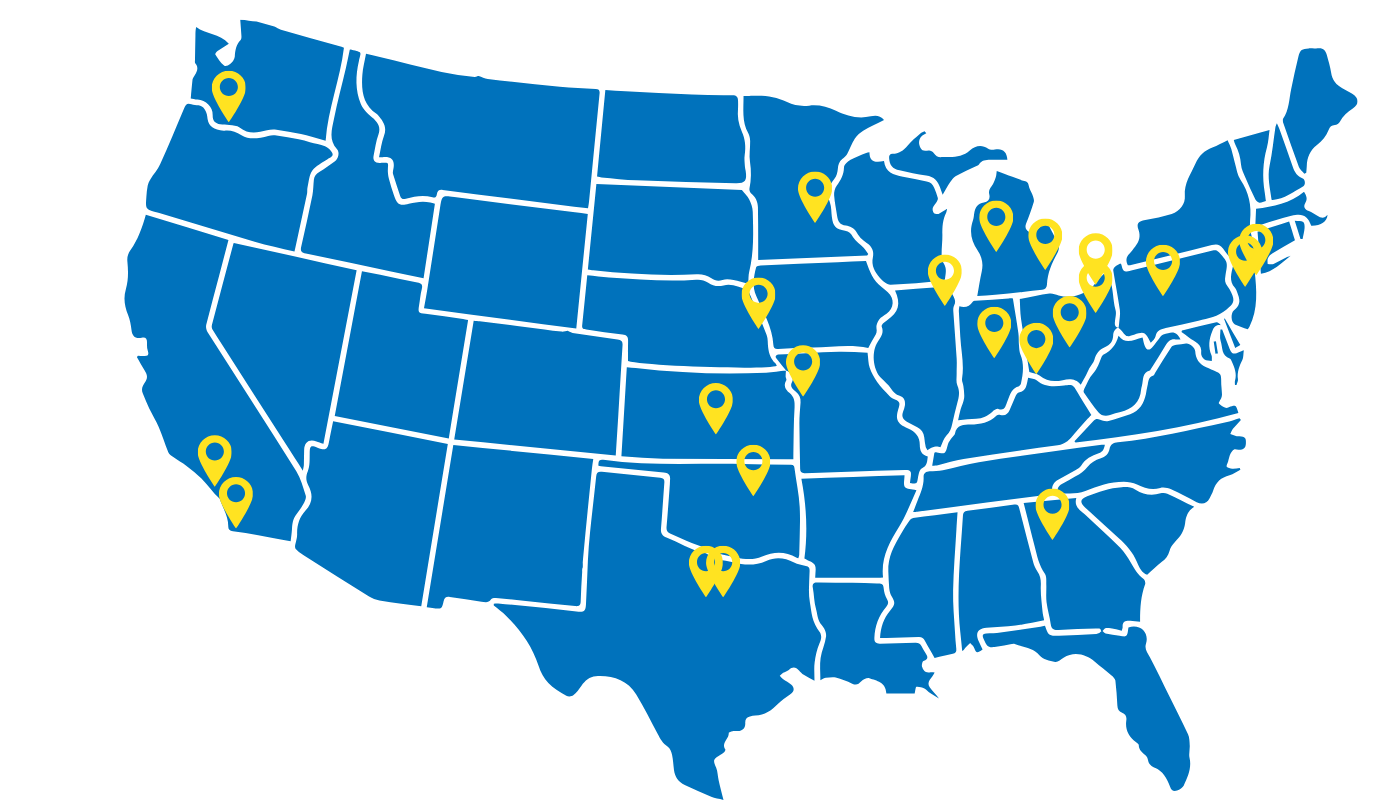
Documenters is active in more than 20 communities across the country — urban metros, mid-size cities, and rural areas — and growing.

Map of Documenters Network sites across the United States

My hope is that many more people will get involved in this program, allowing our community to be more engaged and encouraging public officials to be more open and transparent.

— Cindy Tannehill, Wichita Documenter

Find your local Documenters program

Become a Documenter

Documenters are students, retirees, working parents, first-time civic participants, people exploring careers in journalism, public service, or community organizing. What they have in common is curiosity about their community and a desire to do something useful with what they learn to improve their city.

No experience in journalism or writing is required. The program is built to welcome and support anyone who's ready to show up.

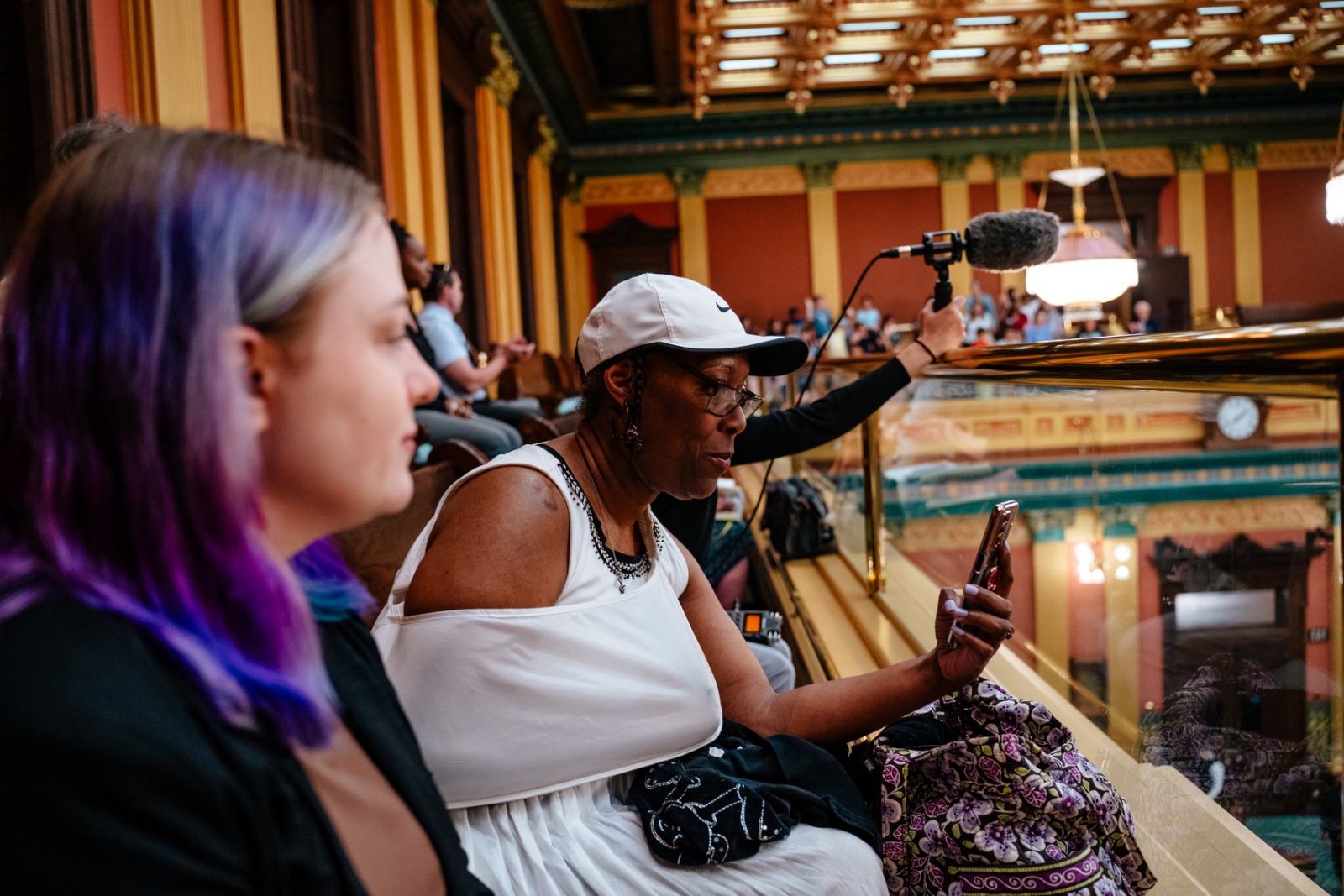
Detroit Documenters and Grand Rapids Documenters take a field trip together to the Michigan state capitol in Lansing.
Detroit Documenters and Grand Rapids Documenters take a field trip together to the Michigan state capitol (Lansing). Photo credit: Nick Hagen.

What’s it like?

I really care about feeling connected to a community / some kind of solidarity… and the Documenters Network does a really good job of helping people feel connected and involved. Documenter, Network Survey
The opportunity to learn more about our local communities while reporting and informing others is pretty spectacular. Documenter, Network Survey (anonymous)

Partner with us

The Documenters Network is built through partnerships with local organizations who run programs in their communities, with civic groups and journalists who use and amplify Documenters' work, and with funders who believe that people-powered civic information is worth investing in. 

How to join us:

Support our work

City Bureau's Documenters Network runs on a combination of foundation support, local and national philanthropy, and earned revenue. If you're a funder or donor interested in supporting people-powered civic information — in a specific community or at the national level — we'd love to talk.

Contact development team →

Become a local Documenters site

Local Documenters programs are run by trusted community organizations—newsrooms, civic nonprofits, educational institutions—who know their communities and are committed to strengthening civic participation within them. City Bureau partners with these organizations to launch and sustain Documenters programs, providing the platform, program model, training, curriculum, technology, engagement and fundraising support, network-wide learning opportunities and ongoing coaching and support that make each local site possible.

If your organization is interested in bringing Documenters to your community, we'd love to hear from you. New sites go through a structured inquiry and onboarding process to make sure we can set your program up for success.

Start the conversation →

Collaborate with us

Documenters' notes are free and publicly available on Documenters.org under a Creative Commons Attribution 4.0 license (CC BY 4.0). Remix, transform, and build on them — and credit Documenters.org and the local partner. We're also open to joint programming, research, and editorial projects.

Get in touch →

I document because I value increasing transparency between the city and the people who live in Chicago. It's important to make information more accessible so folks stay informed and know how to get engaged.

— Sonal Soni, Chicago Documenter